“Did you know some credit cards will refund the difference if an item you bought drops in price? Yeah, it’s real. But there’s a catch—most people have no idea how to claim this benefit.”
Have you ever purchased something only to see its price plummet days later? You’re not alone. According to a study by J.D. Power, nearly 60% of consumers are unaware that many credit cards offer price protection benefits. This hidden gem, buried deep in your cardholder agreement, could save you hundreds annually—but navigating price protection eligibility can feel like decoding hieroglyphics.
In this guide, we’ll break down everything you need to understand about price protection eligibility. From uncovering which purchases qualify to mastering the claims process, you’ll walk away armed with insider knowledge. Let’s dig in!
Table of Contents
- Key Takeaways
- Why Price Protection Matters
- Step-by-Step Guide to Check Eligibility
- Tips for Maximizing Price Protection Benefits
- Real-World Examples of Successful Claims
- Frequently Asked Questions
- Conclusion
Key Takeaways
- Not all credit cards offer price protection; most premium cards do.
- Purchases must meet specific criteria such as timeframes and exclusions to be eligible.
- You’ll often need proof of purchase and evidence of the lower price.
- Filing a claim is easier than you think, but deadlines matter.
- Always read the fine print because terms vary widely between issuers.
Why Price Protection Matters
If you’ve fallen victim to retail sticker shock—one moment buying at full price, the next watching prices drop—you know the frustration. That’s where price protection eligibility comes into play. It’s essentially a safety net designed to reimburse the difference when items you buy go on sale shortly after purchase.
Here’s my confession: I once bought a $300 pair of headphones only to see them marked down to $200 just two weeks later. Instead of shrugging it off, I decided to explore my credit card perks—and guess what? I got $100 back without breaking a sweat. Chefs kiss.
But here’s the truth bomb: Not everyone knows they’re entitled to these refunds. Worse still, some banks quietly sunset their price protection programs (*cough* Chase *cough*). Hence, understanding your card’s policy is critical before relying on it.
Step-by-Step Guide to Check Eligibility
So, how do you determine price protection eligibility? Follow these steps:
Step 1: Read Your Cardholder Agreement
The first rule of claiming any benefit is knowing whether it exists. Most major issuers outline their policies in the cardholder agreement. Look for sections labeled “Benefits” or “Protections.” If you’re too lazy (no judgment), call customer service and ask directly.
Step 2: Verify Timeframe Restrictions
Typically, you have 30–60 days from the date of purchase to file a claim. Missing the deadline means waving goodbye to potential savings.
Step 3: Gather Supporting Documents
Documentation is king. Save receipts, order confirmations, and links showing the lower advertised price. Pro tip: Screenshot web pages ASAP since online retailers frequently change pricing.
Step 4: Submit Your Claim Online or Via Mail
Many issuers now allow digital submissions through dedicated portals. For those stuck in ancient times, mailing forms along with required documentation works too. Just track your package like it owes you money.
Tips for Maximizing Price Protection Benefits
- Keep tabs on retailer sales: Sign up for email alerts from stores where you shop frequently.
- Track your purchases: Use spreadsheets or apps like Mint to log transactions.
- Act fast: Deadlines sneak up faster than your Wi-Fi going out during peak hours.
- Avoid ineligible items: Jewelry, antiques, and tickets usually don’t qualify.
Real-World Examples of Successful Claims
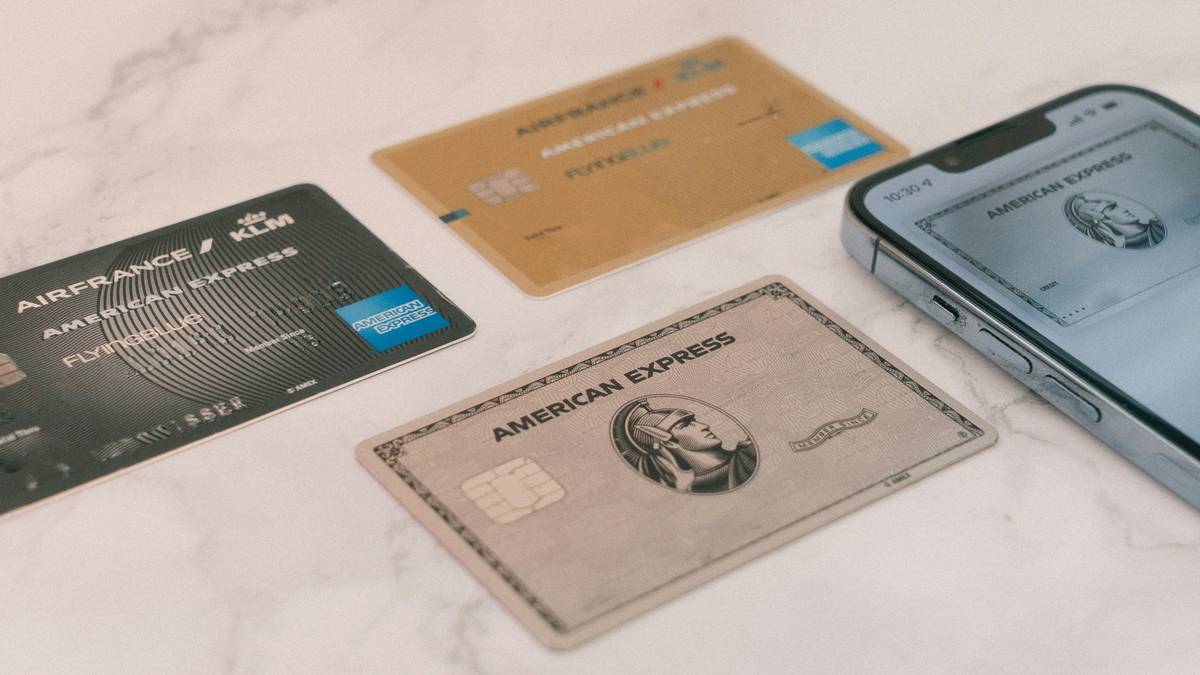
Take Sarah, who stumbled upon a deal breaker—or rather, deal saver. She’d splurged on a smart TV using her American Express Platinum Card. A week later, she found the same model discounted by $150. Armed with her receipt and the competitor’s ad, she submitted her claim and received the refund within 10 business days.
Then there’s Mike, whose experience wasn’t so smooth. He tried filing for a golf club set he’d bought months prior. Unfortunately, he missed the 60-day window. Moral of the story? Timing matters more than that extra cup of coffee you chase daily.
Frequently Asked Questions
How long does a price protection claim take to process?
On average, expect processing times ranging from 7–14 business days, depending on your issuer.
Do all credit cards offer price protection?
Nope. As of late 2023, only select premium cards from companies like Mastercard and Discover provide this perk.
Are shipping costs included in reimbursement?
Some issuers cover shipping fees while others don’t. Always check the fine print.
Can I file multiple claims per year?
Most programs cap reimbursements around $250–$500 per item and $1,000–$2,500 annually.
Conclusion
Navigating price protection eligibility might seem daunting initially, but once you grasp the basics, it becomes second nature. From scrutinizing your cardholder agreement to diligently tracking purchases, every step adds value to your wallet.
Optimist You: “Let’s start saving today!”
Grumpy You: “Fine, but only if snacks accompany this admin-heavy task.”
To summarize: Stay informed, act swiftly, and leverage available resources. Because let’s face it—every dollar saved feels like finding cash in old jeans.
And now, as promised, a cheesy haiku:
Price drops hit hard.
Cards protect—if you ask right.
Cheers to free money!